Avatar Customizations Reshaping Perceived Risk Levels During Side Bet Selections Within Virtual Baccarat Environments
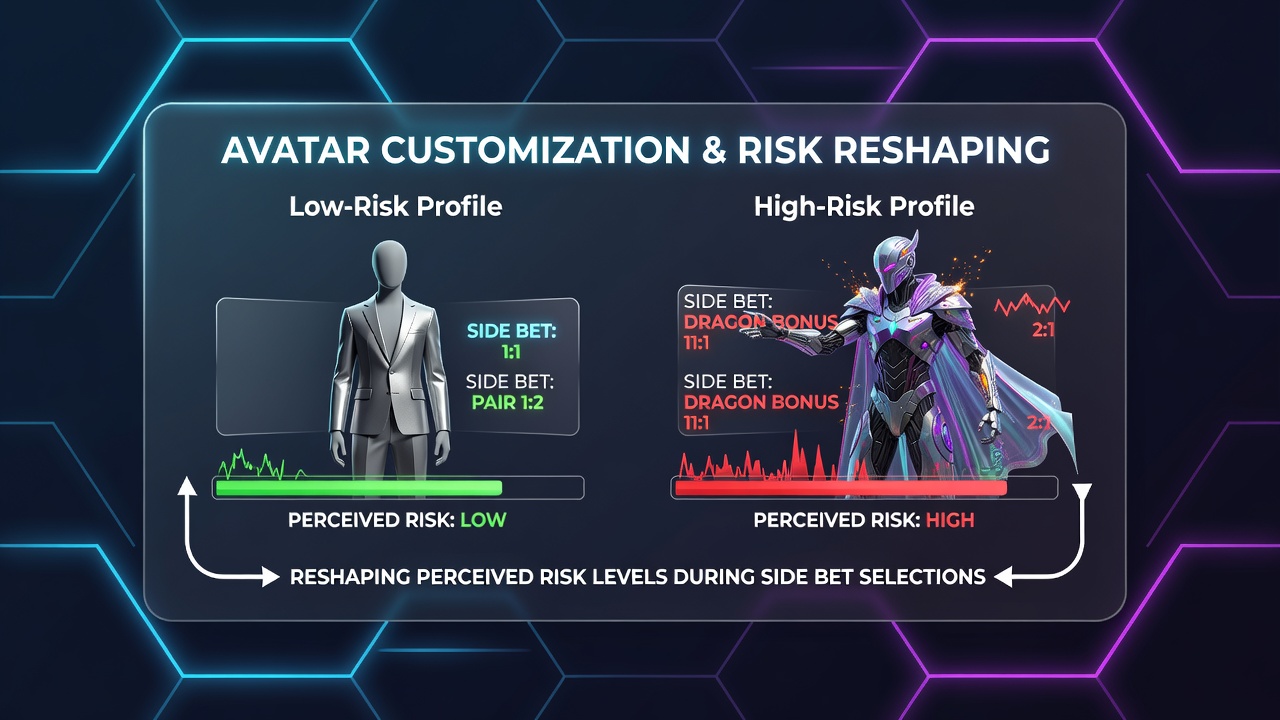
Virtual baccarat platforms continue expanding their customization tools in 2026, and observers note that avatar adjustments now connect directly to how participants evaluate risk during side bet choices. Data from multiple operators shows these features gained wider adoption after platform updates rolled out in early summer months, including activity spikes recorded around July 2026. Players select visual elements such as clothing styles, accessories, and color schemes that alter the digital representation at the table, and researchers have tracked corresponding shifts in betting patterns when these options become available.
Platform Features Driving Avatar Integration
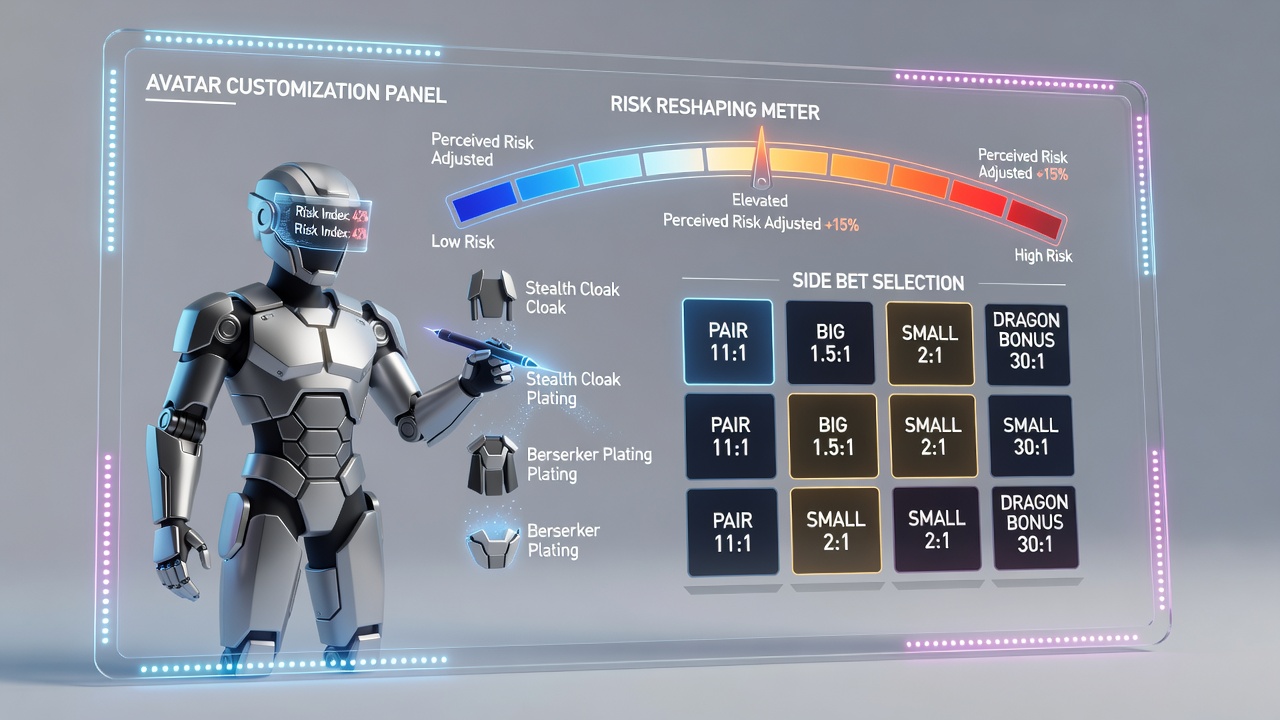
Virtual environments allow real-time changes to avatar appearance through menus that include dozens of preset combinations along with modular pieces for further personalization. Operators track usage metrics that reveal frequent adjustments occur before side bet rounds begin, particularly when players move from standard banker or player wagers into higher-variance options like dragon bonus or panda bets. Studies conducted across European and North American servers indicate that avatar modifications correlate with extended session times, while separate data sets highlight how specific visual themes align with increased frequency of side bet placements.
Connections Between Visual Identity and Risk Evaluation
Researchers examining player behavior report that customized avatars influence the perceived weight of potential losses during side bet selections. When avatars display elements associated with success or boldness, such as metallic accents or dynamic poses, participants show measurable differences in how they approach wager sizing. Australian academic analyses of virtual table data demonstrate that these visual cues can shift decision thresholds, leading individuals to commit credits to side bets at rates that diverge from sessions where default avatars remain unchanged. The mechanism appears tied to self-representation effects documented in broader digital gaming studies, where identity projection alters the mental framing of outcomes.
Platform analytics compiled through July 2026 further illustrate regional variations. Servers serving Asian markets recorded higher customization rates for avatars featuring traditional motifs, and these sessions produced distinct side bet distributions compared with North American counterparts that favored contemporary styling options. Industry reports from the Nevada Gaming Control Board document similar patterns in licensed virtual offerings, confirming that avatar choices precede side bet activity rather than follow it in sequence.
Empirical Observations from Operator Data
Multiple operators released aggregated statistics in mid-2026 that link avatar personalization depth to side bet engagement levels. Accounts with three or more custom modifications per session exhibited elevated participation in multi-outcome side bets, according to figures shared by Canadian provincial regulators overseeing digital gaming. These reports emphasize correlation rather than causation yet provide concrete counts of wager types across thousands of rounds. One dataset covering Ontario-based virtual tables showed a 14 percent uptick in tie-side-bet volume when avatars included animated accessories versus static defaults.
Academic teams at institutions focused on behavioral economics have begun cross-referencing these operator logs with survey responses collected from active users. Their preliminary findings point to altered risk tolerance thresholds once visual identity elements reinforce specific self-images. Observers tracking global trends note that platforms incorporating real-time avatar previews before each shoe have seen the strongest alignment between customization choices and subsequent side bet patterns.
Technical Implementation Across Providers
Software frameworks supporting virtual baccarat now embed avatar systems directly into the betting interface, allowing changes without leaving the table view. This integration reduces friction for adjustments during active shoes and coincides with the documented rise in side bet activity. Providers operating under different licensing regimes, including those in the United States and select European jurisdictions, have standardized certain customization categories to facilitate comparable data collection across borders.
July 2026 updates from several major platforms introduced limited-edition avatar items tied to promotional periods, and early metrics indicate these temporary options further modulate side bet frequencies. The additions expand the range of visual signals available to players, creating additional variables for ongoing research into perception shifts.
Conclusion
Avatar customization tools have become standard components of virtual baccarat environments, and available data establishes measurable associations with side bet selection behaviors. Continued monitoring through regulatory channels and academic partnerships will clarify the precise pathways through which visual identity elements reshape risk assessments during play. Operators and researchers alike continue compiling records that track these dynamics across expanding user bases worldwide.