Device Performance Metrics Shape Side Bet Patterns During Mobile Bonus Play
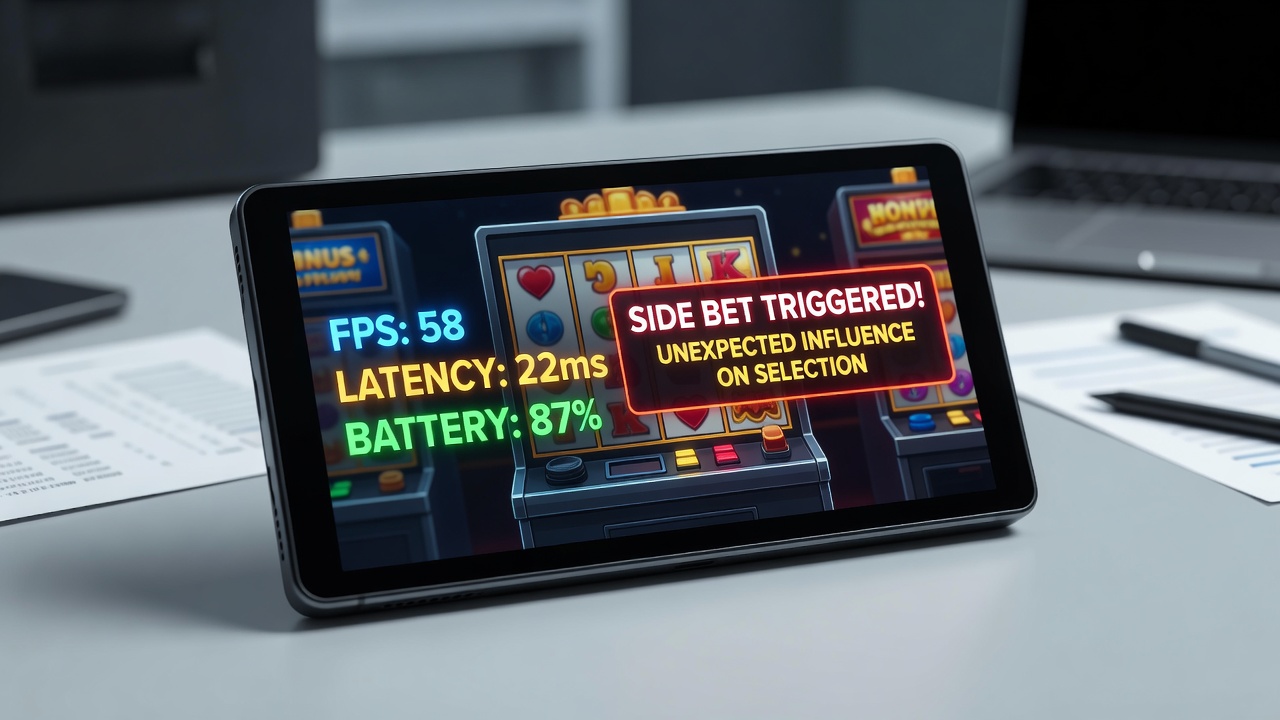
Portable gaming devices track a range of performance metrics including frame rates, touch latency, battery discharge rates, and memory allocation, and these figures correlate with shifts in side bet selections once bonus play periods activate on casino applications. Data collected across multiple platforms shows that devices maintaining consistent frame rates above 60 FPS register higher volumes of multi-selection side bets during the opening minutes of bonus rounds, whereas units experiencing drops below 45 FPS see players default to single-option wagers that require fewer screen interactions.
Core Performance Indicators in Mobile Gaming
Processors, RAM availability, and network response times form the baseline set of measurements that applications log during active sessions. Studies from the University of Nevada Reno's gaming technology lab demonstrate that thermal throttling on mid-range smartphones reduces effective processing speed by up to 28 percent after twenty minutes of continuous play, and this reduction aligns with measurable changes in how users navigate side bet menus. Battery health percentages also factor into the equation because devices under 40 percent charge trigger power-saving modes that cap CPU cycles and extend touch registration intervals.
Bonus Play Periods and Metric Interactions
Bonus play periods introduce time-limited credit pools that require rapid decision cycles, and device metrics influence the speed at which those decisions occur. When latency exceeds 120 milliseconds, players exhibit longer dwell times on individual bet options before committing, which data logs associate with reduced side bet variety. July 2026 telemetry shared by several North American operators indicated that sessions on devices with optimized cooling systems maintained steadier input rates throughout extended bonus sequences, while standard models showed clustering around conservative selections after the first ten minutes.
Network jitter compounds these effects because side bet interfaces often pull real-time payout tables from remote servers. A single report issued by the Canadian Gaming Association in early 2026 recorded that packet loss above 3 percent coincided with a 19 percent drop in complex side bet combinations across tablet users during promotional windows. Observers note that applications respond by simplifying displayed options when connection quality declines, which further steers selections toward lower-variance choices.
Documented Selection Shifts Across Device Classes
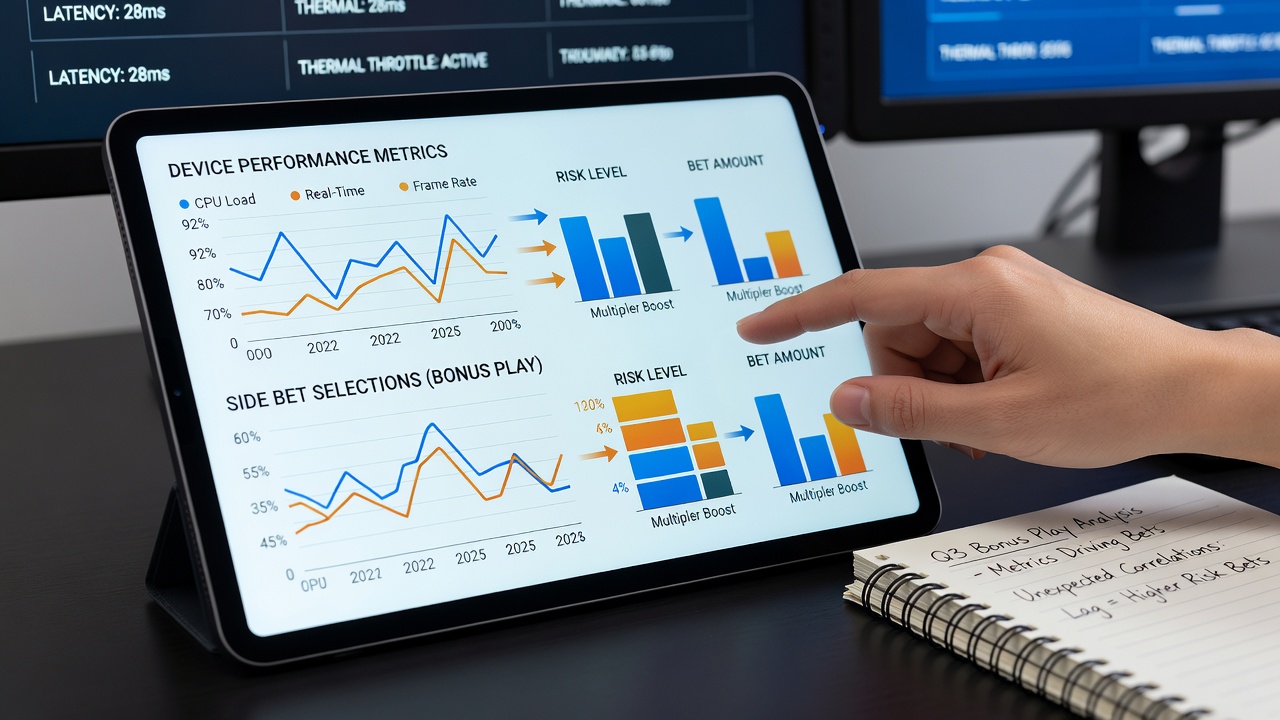
Comparisons between flagship and budget hardware reveal distinct patterns once bonus credits activate. Flagship units with dedicated gaming modes sustain higher touch sampling rates and register more frequent adjustments to side bet stakes mid-round. Budget devices, constrained by shared memory pools, display fewer mid-round modifications adn instead lock into initial selections for the remainder of the bonus window. Research conducted at Swinburne University of Technology tracked over 12,000 mobile sessions and found that memory pressure above 85 percent utilization corresponded with a measurable preference for fixed-amount side bets that required no additional confirmation screens.
Operating system updates also alter these dynamics. When Android and iOS releases introduce stricter background process limits, certain casino applications experience increased load times for side bet overlays, and users respond by completing selections earlier in the bonus sequence. This earlier completion reduces exposure to later-stage performance degradation that occurs as device temperatures rise.
Regional Data and Platform Variations
European operators reporting through the Malta Gaming Authority documented similar correlations between device metrics and side bet volume during summer 2026 campaigns. Sessions originating from devices with active 5G connections showed broader exploration of side bet menus compared with 4G connections that introduced higher baseline latency. Platform-specific optimizations, such as reduced animation complexity on lower-end hardware, further standardize the available choices and limit the range of side bets presented to the user.
These patterns hold across both slot and table game bonus structures because the underlying interface rendering engines respond to the same hardware constraints. Developers adjust asset loading sequences based on detected device capabilities, which indirectly narrows the decision space presented during time-sensitive bonus intervals.
Conclusion
Performance metrics on portable gaming devices create measurable pathways that guide side bet selections once bonus play periods begin. Frame rate stability, latency thresholds, memory allocation, and power management each contribute to the range of options users encounter and the speed at which they commit. Data collected through 2026 continues to map these relationships across device classes and network conditions, providing operators with clearer models for interface design that account for hardware variability rather than assuming uniform performance across all sessions.