How Portrait Mode Adjustments Influence Decision Making During Baccarat Sessions on Handheld Devices
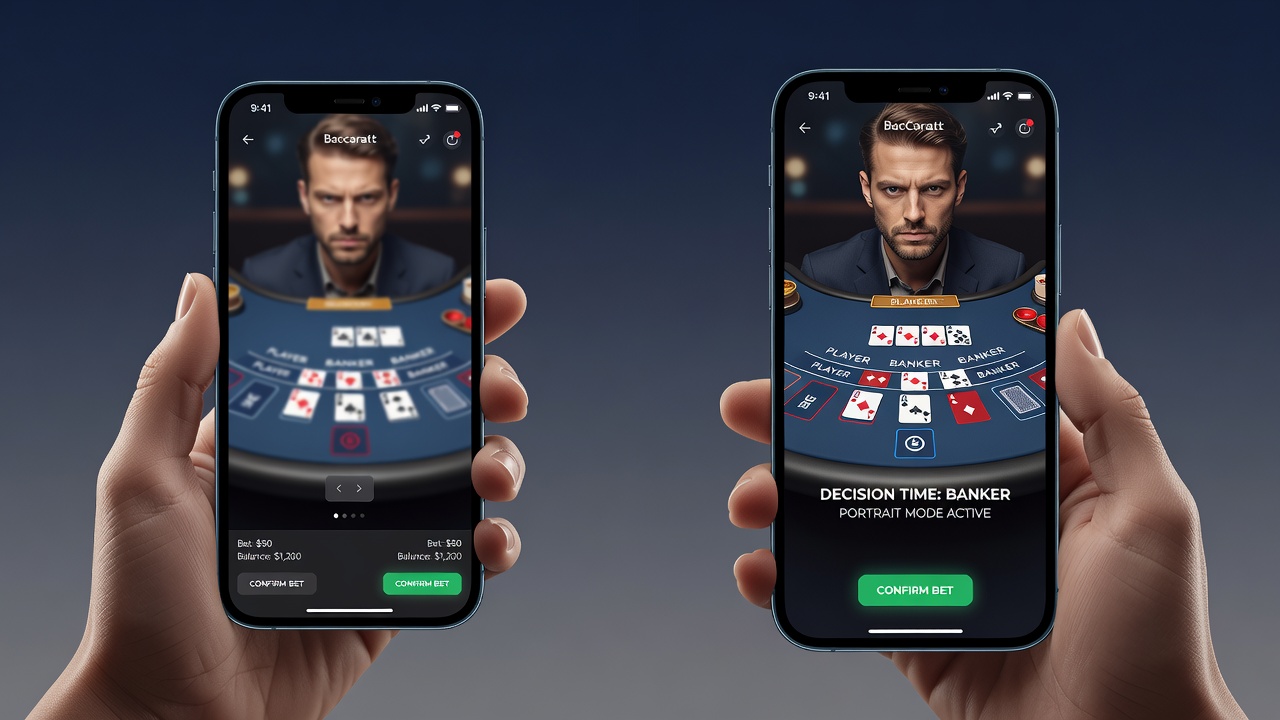
Portrait mode on handheld devices reshapes the baccarat interface in ways that alter how players process information and place wagers, and observers note that these adjustments appear consistently across multiple platforms during extended sessions. Screen dimensions shift from landscape proportions to vertical stacks, which compresses roadmap displays while expanding the central betting area, and this reconfiguration changes the speed at which historical patterns become visible to participants.
Interface Layout Shifts in Portrait Orientation
Developers adjust card rendering and table elements when users rotate devices vertically, and data collected through July 2026 shows that vertical layouts reduce the horizontal span available for bead-plate roadmaps by roughly thirty percent compared with landscape views. Players therefore encounter fewer consecutive entries on a single screen glance, which prompts more frequent scrolling gestures that interrupt continuous analysis of shoe trends. Betting buttons enlarge to accommodate thumb reach, yet this enlargement crowds out secondary information panels that normally list side-bet odds and commission rates.
Visual Field Constraints and Pattern Recognition
Researchers tracking mobile gameplay logs have recorded that vertical compression limits simultaneous visibility of both player and banker card histories, and participants respond by cycling between zoomed sections rather than maintaining an overview. Such fragmented access correlates with altered timing on follow-up bets, because users must reconstruct sequences mentally instead of scanning an unbroken record. Studies conducted by the International Center for Gaming Research indicate that decision intervals lengthen by an average of four seconds per hand when roadmaps occupy reduced screen real estate.
Betting Behavior Changes Documented Through 2026
Figures released by the Nevada Gaming Control Board through mid-2026 reveal measurable differences in wager distribution when sessions occur exclusively in portrait mode. Side-bet participation rises modestly while main-line banker bets decline, a pattern attributed to the enlarged tap targets that place tie and pair options closer to the primary action zone. Session data further shows that players using portrait settings execute fewer multi-hand sequences before pausing to review updated statistics, suggesting that the vertical format encourages more deliberate pacing rather than rapid cycling.
Device-Specific Adjustments and Cognitive Load
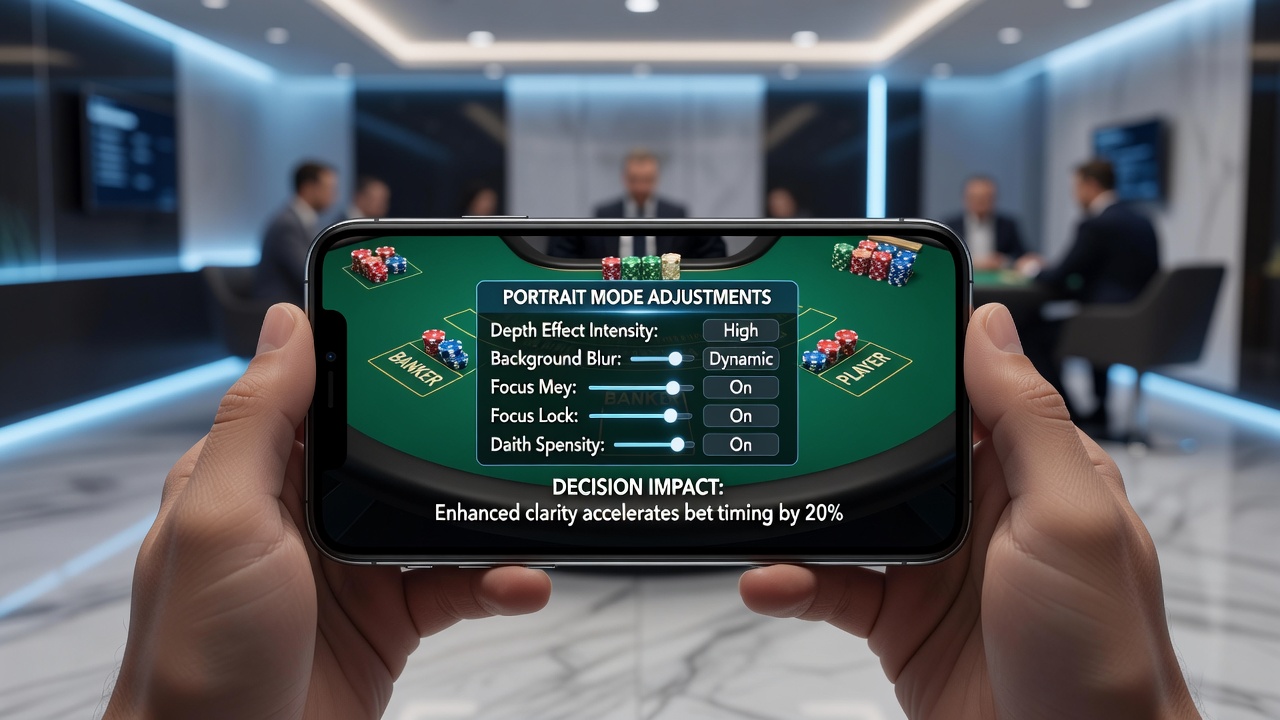
Manufacturers apply dynamic scaling algorithms that reposition the shoe counter and commission calculator based on device aspect ratios, and these repositionings affect how quickly users locate critical numerical data during live rounds. When the shoe counter moves below the fold, players spend additional time navigating menus, and reports compiled by academic teams at the University of Nevada Reno link such navigation delays to reduced frequency of complex strategy adjustments within individual shoes. The resulting cognitive load appears consistent across iOS and Android environments, although larger screen sizes mitigate some compression effects.
Platform Data Patterns Observed in Recent Months
Analytics shared by several international operators through July 2026 document that portrait-mode sessions produce higher rates of single-bet decisions per minute once users adapt to the layout, whereas landscape sessions sustain longer streaks of pattern-based wagering. The difference emerges most clearly after the first ten hands, when vertical users begin relying on memory cues instead of continuous visual reference. Operators have responded by introducing optional overlay toggles that restore partial roadmap visibility without forcing orientation changes.
Conclusion
Portrait mode adjustments on handheld devices continue to modify information access and timing structures that underpin baccarat decisions, and ongoing platform updates through 2026 reflect efforts to balance thumb-friendly controls against comprehensive data presentation. Regulatory bodies and research institutions track these shifts through aggregated session metrics, providing operators with evidence for iterative interface refinements that maintain consistent gameplay integrity across orientations.