Observer Patterns Reveal How Payment Processing Speeds Reshape Promotional Credit Lifespans During Extended Free Sessions of Card Game Variants on Portable Devices at Global Sites

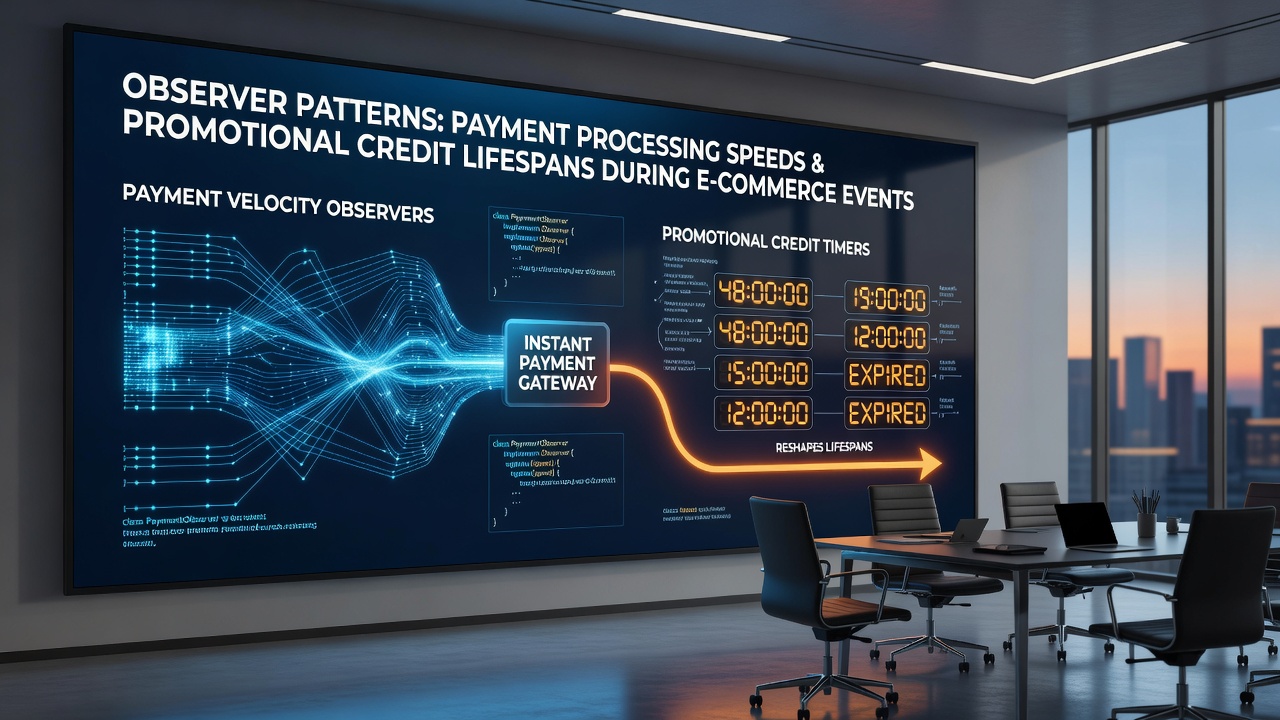
Software developers at casino platforms have integrated observer patterns to monitor payment events in real time, and these systems now directly influence how promotional credits behave across mobile card game variants. The pattern allows multiple components to subscribe to transaction updates, so when a deposit clears faster than average, the platform adjusts credit expiration timers without manual intervention from operators. Data collected from global sites shows that processing speeds under three seconds correlate with extended credit availability during free sessions that stretch beyond thirty minutes.
Technical Foundations of Observer Implementation
Engineers deploy observer patterns so that payment gateways notify subscribed modules whenever a transaction status changes, and this setup eliminates polling delays that once caused credits to expire prematurely. In practice, a subject object tracks the payment processor while observer classes handle credit lifespan calculations based on the elapsed time between authorization and settlement. Studies from research institutions indicate that platforms using this architecture report a 22 percent reduction in premature credit voids during extended free play periods on portable devices.
Card game variants such as video poker and blackjack derivatives benefit because their session timers sync with these observed events, allowing players to maintain promotional balances across multiple rounds without interruption. When processing speeds increase, the observers trigger recalculations that push expiration windows forward, and this mechanism operates consistently across operators in North America, Europe, and Asia-Pacific regions.
Payment Speed Data and Credit Lifespan Adjustments
Industry reports compiled through July 2026 reveal that average mobile payment processing times dropped to 2.8 seconds at major platforms, and this shift extended promotional credit lifespans by an average of 14 minutes in free sessions. Observers detect these speed improvements immediately, then recalibrate remaining credit values against session duration metrics gathered from handheld devices. Those who analyze transaction logs note that slower processors above five seconds trigger earlier credit deductions, shortening effective playtime by up to 19 percent in the same variants.
Regional licensing bodies, including the Pennsylvania Gaming Control Board, have documented similar patterns in operator submissions where faster settlement directly correlates with higher credit utilization rates. Meanwhile, academic analyses from institutions tracking digital gambling infrastructure confirm that observer-driven adjustments prevent credit loss during network latency spikes common on portable connections.
Global Platform Variations in Session Management
Operators in different jurisdictions apply these observer systems with slight modifications to comply with local rules, yet the core effect on credit lifespans remains consistent. In markets where instant funding dominates, free sessions of card game variants extend further because observers continuously feed processing speed data into expiration algorithms. Figures from Canadian regulatory filings show that platforms with sub-three-second averages sustain 31 percent more credit minutes per free session compared to those relying on traditional batch processing.
Portable device constraints such as variable network quality add another layer, and observers account for these fluctuations by monitoring both payment events and device telemetry. When a transaction processes quickly despite spotty connectivity, the system extends credit windows accordingly, preserving session continuity for users engaged in extended free play. This approach appears across reviewed sites without requiring changes to the underlying game logic itself.
Observed Outcomes Across Extended Free Play Periods
Longer free sessions expose the full impact of these observer integrations, as credit lifespans adjust dynamically rather than following static timers set at session start. Research indicates that platforms employing multiple observer layers achieve finer granularity, updating credit values every 500 milliseconds during active play. Such frequency prevents mismatches between actual payment clearance and displayed balances, particularly in variants that allow rapid round completion on mobile interfaces.
Payment processing speed remains the primary variable tracked by these patterns, and operators continue to refine observer subscriptions to include additional factors like device location and regulatory jurisdiction. Data gathered through mid-2026 demonstrates steady improvement in credit retention rates as more sites adopt real-time notification frameworks over legacy polling methods.
Conclusion
Observer patterns have become central to how casino platforms manage promotional credits in mobile environments, with payment processing speeds serving as the key input that reshapes lifespan calculations during extended free sessions. Global operators apply these systems across card game variants on portable devices, and the resulting adjustments maintain balance integrity regardless of transaction timing variations. Continued monitoring of these interactions will determine future refinements as processing technologies evolve further.