Slot Manufacturers Address Ongoing Tariff Impacts at Las Vegas Conference
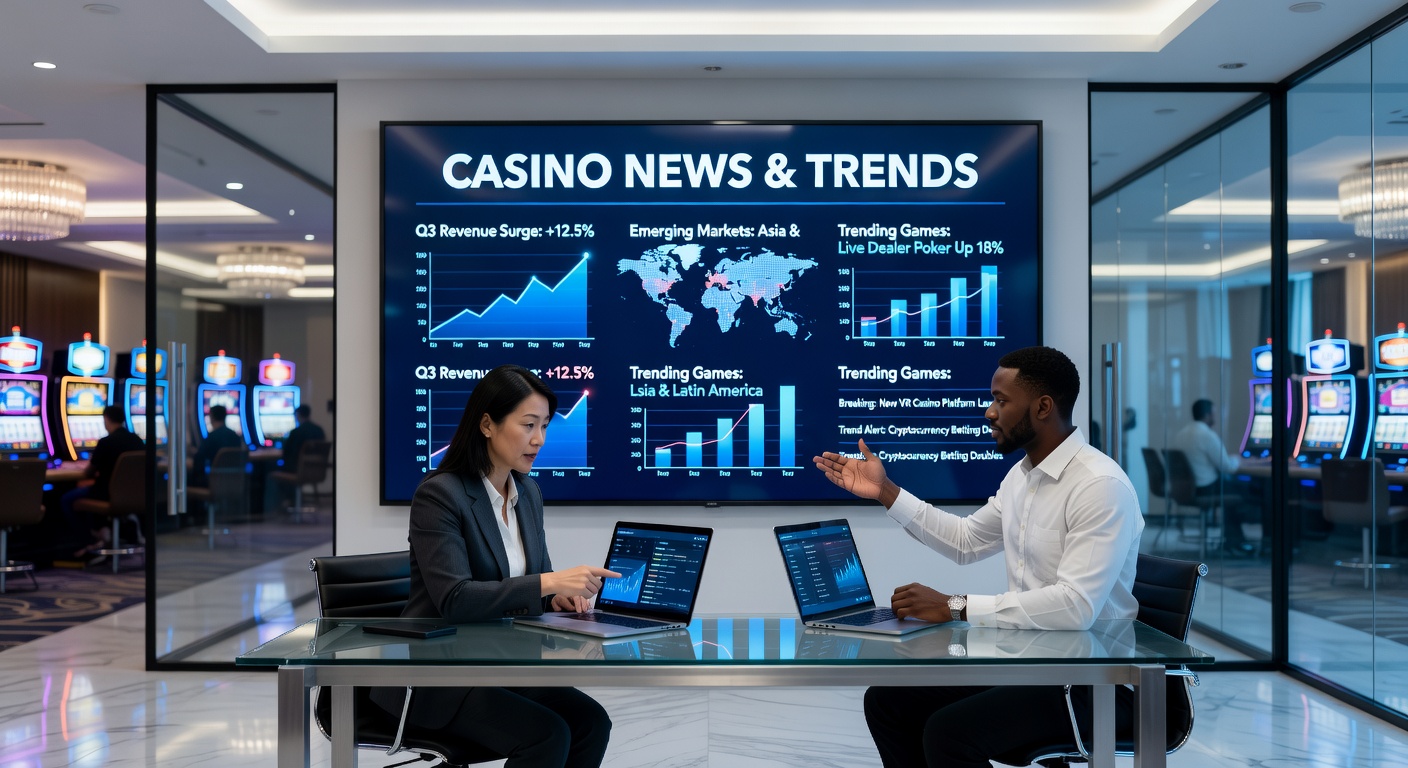
CEOs from Ainsworth Game Technology, AGS, and Konami gathered at a Las Vegas gaming conference to examine the lingering effects of tariffs imposed during the Trump administration, and these discussions highlighted manufacturing adjustments along with legal and operational hurdles that continue into June 2026. The tariffs, applied over the preceding year, affected imported components essential to slot production, prompting companies to explore temporary production relocations to Mexico or Canada while pursuing reimbursement avenues through government channels or supplier negotiations.
Industry observers note that the highly regulated nature of casino gaming creates particular complications, since manufacturers cannot readily transfer added expenses to operators bound by fixed pricing structures and state oversight. Data from conference presentations shows these shifts in supply chains occurred alongside active efforts to recover costs, with executives detailing case-by-case strategies rather than broad price increases.
Conference Discussions Reveal Coordinated Responses
Executives outlined specific steps taken since the tariffs took effect, including moves to alternate facilities that avoided certain duties while maintaining compliance with gaming jurisdiction requirements. Ainsworth representatives described pilot operations in Mexico that allowed continued component assembly without full exposure to the original levies, and similar adjustments appeared in reports from AGS and Konami teams. These changes remained temporary by design, as companies monitored both regulatory developments and the potential for refunds or tariff exclusions through established administrative processes.
One presentation examined how vendors absorbed portions of the tariff burden through revised contracts, while other sessions focused on formal refund applications submitted to federal agencies. The environment demands careful documentation because gaming equipment undergoes rigorous testing and approval cycles that limit rapid operational pivots, and attendees heard details on the paperwork and timelines involved in each recovery path.
Supreme Court Decision Alters Landscape
The Supreme Court issued a ruling in February 2026 that invalidated the global tariffs on grounds they exceeded executive authority under the International Emergency Economic Powers Act, and this decision opened additional pathways for cost recovery that manufacturers began pursuing immediately. Legal teams at the affected companies reviewed prior payments against the new precedent, with several firms preparing claims that reference the court's interpretation of statutory limits. Conference materials distributed to participants included summaries of the February decision along with projected timelines for administrative reviews that could extend into later months of 2026.
Although the ruling removed the immediate tariff obligation, prior expenses incurred during the active period still required resolution through refunds or credits, and executives emphasized the need for coordinated industry approaches to streamline these filings. According to coverage from CDC Gaming Reports, multiple manufacturers initiated parallel talks with both government offices and upstream suppliers to address accumulated costs. The February decision did not automatically trigger repayments, which means companies continue to navigate separate administrative routes while maintaining production schedules.
Regulatory Constraints Shape Recovery Efforts
Gaming regulations in key markets impose strict controls on equipment pricing and modifications, which prevents straightforward pass-through of tariff-related expenses to casino customers. Manufacturers therefore concentrated on internal efficiencies and external refund mechanisms rather than contract renegotiations with operators. Presentations at the conference included examples of successful vendor credit arrangements that offset portions of earlier duties, alongside updates on pending government claims that reference the Supreme Court findings.
Those who track supply chain adjustments report that relocation to Mexico or Canada facilities served as interim measures while longer-term sourcing strategies were developed, and these moves required separate licensing and compliance verifications in each jurisdiction. The conference sessions stressed documentation practices that support both operational continuity and future reimbursement applications, ensuring records align with the regulatory frameworks governing slot certification.
Outlook for Remaining 2026
By June 2026, companies had begun integrating lessons from the tariff period into standard procurement planning, with emphasis on diversified supplier networks that reduce future exposure. Follow-up actions from the Las Vegas discussions include scheduled meetings with regulatory bodies to advance refund requests and continued evaluation of manufacturing footprints across North America. Industry reports indicate these efforts remain active, supported by the legal clarity provided in February yet still dependent on administrative processing times that vary by agency.
Conclusion
The Las Vegas conference served as a forum for sharing concrete tactics around tariff cost recovery and supply chain adaptation, and outcomes from those exchanges continue to guide manufacturer decisions through the remainder of 2026. The Supreme Court ruling established a clearer boundary on executive tariff authority, yet the practical work of recouping prior expenses persists within the constraints of a regulated gaming sector. Observers expect further updates on refund claims and facility adjustments as companies apply the approaches discussed during the event.